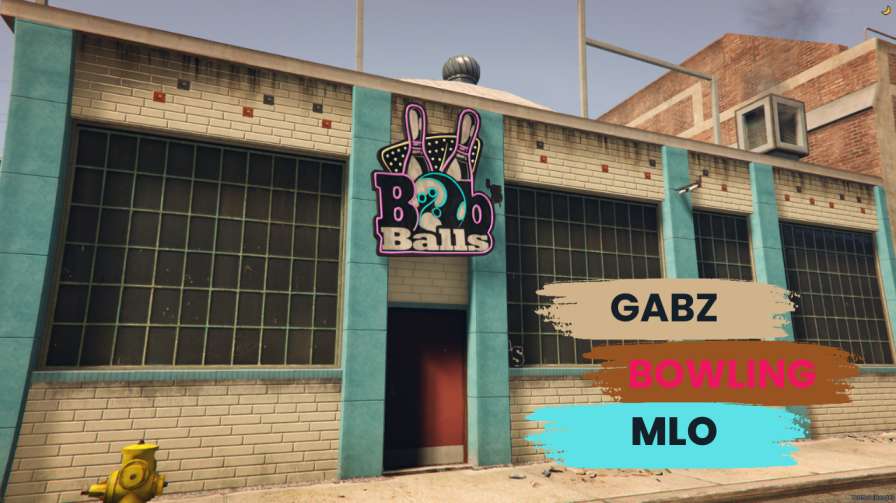
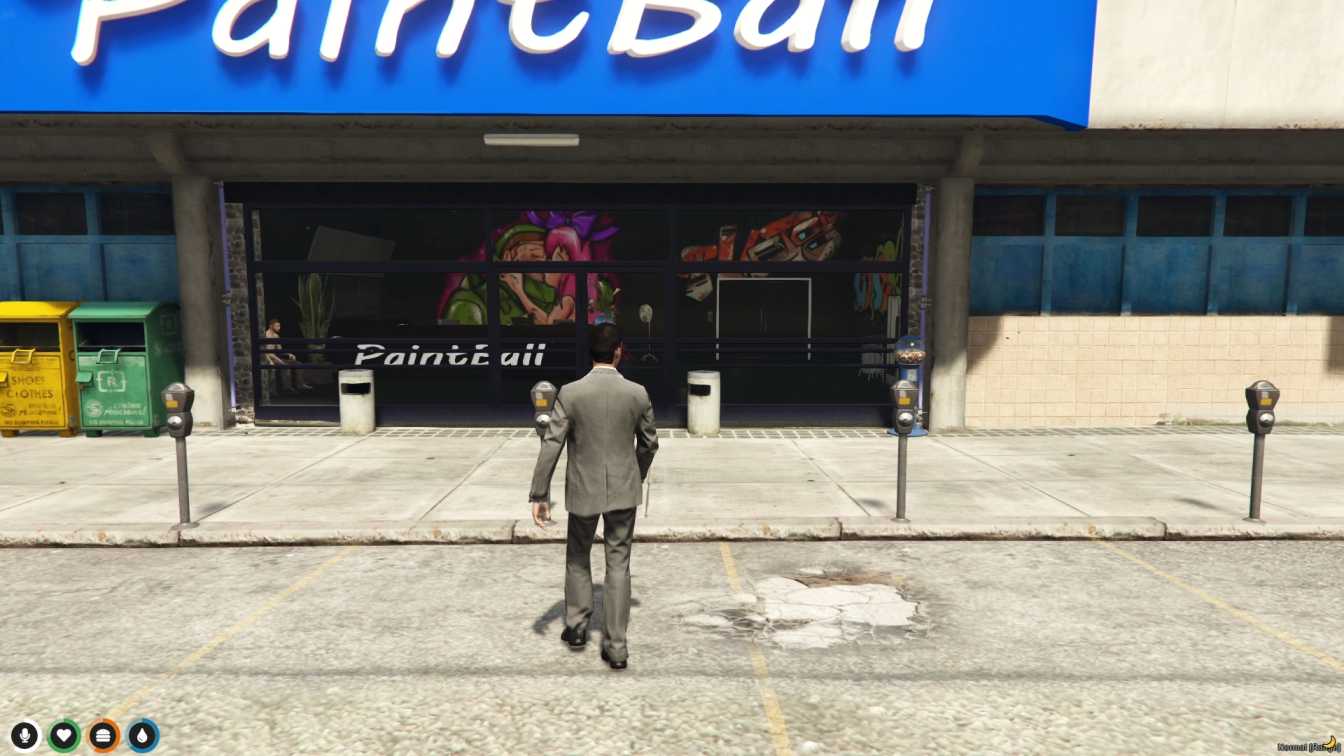
Design FiveM activity loops that support clear sessions, meaningful progression, social handoffs, fair events, and evidence-led iteration without fake claims.

Player retention is not something a script can guarantee. Communities return when they can understand what to do, make meaningful progress, meet other players, and trust that their time is respected. Activity loops help structure those opportunities, but they should support genuine play rather than fake urgency, endless chores, or inflated engagement claims.
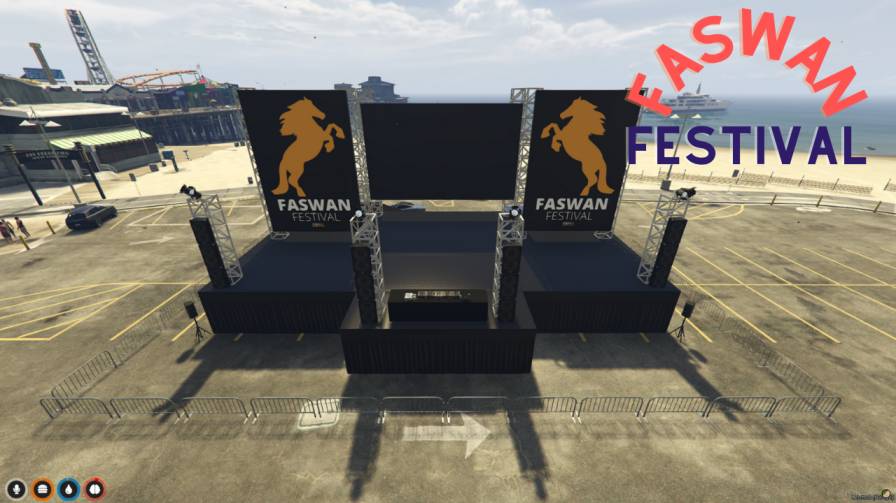
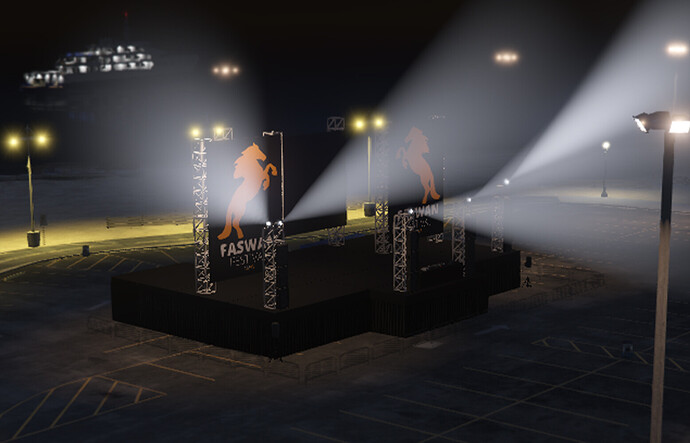
Use the event space to consider social flow and capacity; it does not prove retention outcomes.
A session loop gives a player a useful goal in minutes: take a delivery, respond to a call, serve a customer, or join an event. A progression loop connects sessions through skills, reputation, property, business, collections, or relationships. A community loop creates reasons to coordinate: supply chains, investigations, tournaments, public meetings, and player-run services.
Map entry, choice, action, feedback, reward, consequence, and next opportunity. The reward can be money, access, information, status, customization, or a changed relationship. Avoid making currency the only signal of progress.
Browse activity and event categories, and use the economy balance guide so rewards do not flatten other work.
Inventory existing loops by player stage and time required. Identify dead ends: unclear starts, missing handoffs, rewards with no sink, or progress that depends on one unavailable job. Choose one loop and define its smallest complete path.
Prototype in staging, then run a limited live event or release window with clear staff observation. Collect direct feedback: where players became confused, stopped, waited, or found an exploit. Review completion and abandonment as signals, not proof of motivation. Change one bottleneck at a time.
Connect loops deliberately. A restaurant may buy deliveries from logistics players; mechanics need parts and customer vehicles; police incidents create legal and medical work. The restaurant guide and mechanic guide show business handoffs. Use free planning tools where useful.
Publish schedules honestly. Use recurring events because the format is enjoyable, not to manufacture scarcity. Provide alternate paths for players in different time zones and avoid rewards that make one attendance window mandatory.
Run a loop with representative new, casual, established, and group-oriented players while observers record decisions rather than coaching. Measure time to discover the entry point, time spent waiting, failed handoffs, requests for clarification, and whether participants can describe two sensible next steps afterward. A loop that only works when veteran players explain unwritten rules is not yet accessible.
Inject operational failures into the rehearsal. Remove the required employee, fill the event location, interrupt a delivery, restart the activity resource, and cancel the scheduled host. Each loop needs a graceful branch: alternate work, a recoverable checkpoint, refunded entry cost, preserved earned progress, or a clear cancellation. Staff should not need to invent compensation manually every time a dependency fails.
Check exploitation and social pressure together. Test repeated starts, coordinated farming, alternate characters, abandoned objectives, shared rewards, and players joining at the last moment. Server-side limits should protect the economy without punishing legitimate groups. Make contribution rules visible, and avoid winner-takes-all structures where one established team can permanently deny newcomers access to the loop.
Use a decision matrix before expanding. Score clarity, agency, role intersections, economy fit, failure recovery, staffing burden, accessibility across time zones, and technical observability. Require the smallest complete version to pass before adding more reward tiers or locations. If participation is low, investigate discovery, scheduling, prerequisites, and enjoyment before multiplying payout.
After release, schedule review points and keep rollback simple. Compare completion, abandonment, repeat participation, queue time, support requests, and qualitative feedback across player stages. Protect privacy by using aggregate signals and avoid rewarding staff for raw playtime. Retire or redesign loops that consume maintenance while creating little choice, even if they once attracted novelty traffic.
Players finish onboarding and have no next step. End each tutorial with two visible choices and a way to ask for help.
One activity dominates. Compare reward, safety, downtime, scalability, and prerequisites; adjust the whole opportunity cost, not only payout.
Events require constant admin rescue. Create run books, role assignments, capacity limits, reset steps, and graceful cancellation.
Daily tasks feel compulsory. Keep streaks forgiving, rewards modest, and alternatives available. Do not punish healthy breaks.
Social loops exclude new players. Add public entry points, rotating roles, and tasks that contribute without requiring established status.
Metrics rise after several changes. Do not assign cause automatically. Pair aggregate behavior with feedback and controlled, reversible iterations.
Retention follows a trustworthy experience, not a guaranteed formula. Build clear loops, respect different schedules, and improve the points where players lose context or agency.
Written by
xFiveM Shop Editorial TeamResearch-led FiveM guides with disclosed review and update standards

 FiveM
FiveM