Design a whole-server FiveM economy by mapping sources, sinks, transfers, progression goals, secure banking transactions, and measured balance changes.

A server economy is a network of sources, sinks, stores of value, and transfers. Banking is the ledger players see, but wages, businesses, robberies, vehicles, property, crafting, fines, and item resale determine whether money has meaning. Balance begins with mapping flows and choosing desired decisions—not copying prices from another community.
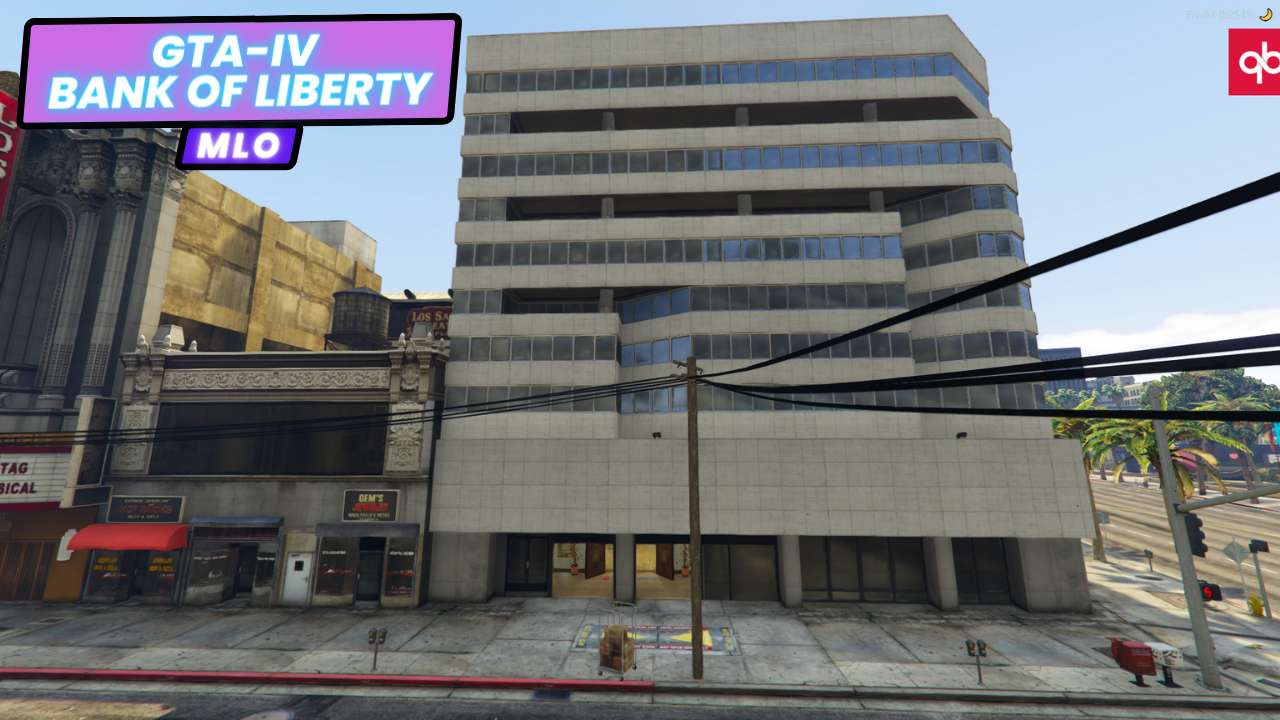
Use the bank setting as economic context; confirm any related script's actual features and framework requirements.
List every repeatable money source: starting funds, salaries, legal jobs, businesses, sales, activities, and crime. List sinks: consumables, repairs, fuel, taxes, fees, fines, licenses, property costs, and losses. List transfers that move rather than create money: invoices, player payments, society deposits, and marketplace trades.
For each flow record expected frequency, prerequisites, risk, active time, automation potential, and intended player tier. Do not estimate balance from the largest payout alone. A small action repeated safely every minute can dominate a dramatic high-risk activity.
Use the bank and ATM categories for components while keeping economic policy separate from product selection. The bank robbery design guide covers one criminal source in detail.
Create a spreadsheet or query-based inventory of all sources and sinks before changing values. Group by early, middle, and established player access. Choose reference goals such as time to afford a basic vehicle or maintain a business, but treat them as design targets rather than promises.
Select one banking resource as the ledger interface and define adapters for jobs, billing, phone, businesses, and purchases. Use transaction references for transfers and purchases. The server should validate amount, account ownership, recipient, balance, limits, and reason in one operation. Never deduct in one independent event and credit in another without a recovery strategy.
Launch adjustments in small groups. Observe aggregate creation and removal by category, not just total balances. Existing wealth can hide inflation, so compare new-player cohorts and active-time segments carefully. Document each change and avoid frequent unexplained price swings.
Connect mechanic costs through the mechanic integration guide and restaurant production through the restaurant loop guide.
Build representative weekly budgets for a new character, a casual worker, an active specialist, a business owner, and a criminal crew. Include failed work, travel, fuel, repairs, consumables, taxes, equipment replacement, and idle time—not only perfect hourly income. Compare disposable income and access to useful goals. This reveals when a nominally high wage still produces no progression or when an apparently modest activity dominates because it has no downtime.
Model proposed changes as ranges rather than exact forecasts. Estimate participation, success rate, repeat frequency, and money velocity under low, expected, and high cases. A reward that looks safe at expected use may inflate rapidly when automated or scaled by a group. Define stop conditions such as abnormal creation per active player, collapsing use of alternative jobs, or a required purchase becoming inaccessible to new cohorts.
Release one bounded policy bundle at a time with a review window. If vehicle income changes, include the related fuel, repair, and financing assumptions in the same analysis. Keep a reversible configuration snapshot and record why each value changed. Avoid retroactively removing legitimate balances to hide a design mistake; address future flows and use transparent, valuable sinks where possible.
Test ledger failure paths independently of balance. Simulate two simultaneous purchases, a disconnect after debit, a recipient account closure, a society payment with insufficient funds, a refund retry, and the banking resource restarting while a transaction is pending. Reconciliation should compare transaction references and final account entries, not trust a UI message. Any staff correction must link to the failed operation rather than becoming an unexplained money source.
Finally, review distribution as well as totals. Median balances by player stage, source concentration, sink participation, and time-to-goal ranges are more useful than a single server-wide cash figure. Combine those signals with player reports about choices and bottlenecks. Numbers can identify where to investigate; they cannot decide what kind of economy the community finds meaningful.
Money duplicates on retries. Require a unique transaction reference and return the original result when it repeats.
Society accounts create unexplained funds. Trace invoice issue, payment, fees, wages, and deposits separately. Ensure revenue is credited once.
A legal job overwhelms every other activity. Compare reward per active minute, downtime, risk, required capital, and scalability—not advertised payout.
Prices become unreachable after one nerf. Review the whole progression path and existing sinks. Change related flows together in bounded increments.
Balances become negative or overflow. Use appropriate numeric types, constraints, normalized amounts, and tested boundaries.
Phone and bank UIs disagree. Make both read the same authoritative ledger and invalidate caches after committed transactions.
Healthy balance does not mean everyone has little money. It means choices retain trade-offs, transactions are trustworthy, and earning or spending supports the server's intended activity loops.
Written by
xFiveM Shop Editorial TeamResearch-led FiveM guides with disclosed review and update standards

 FiveM
FiveM