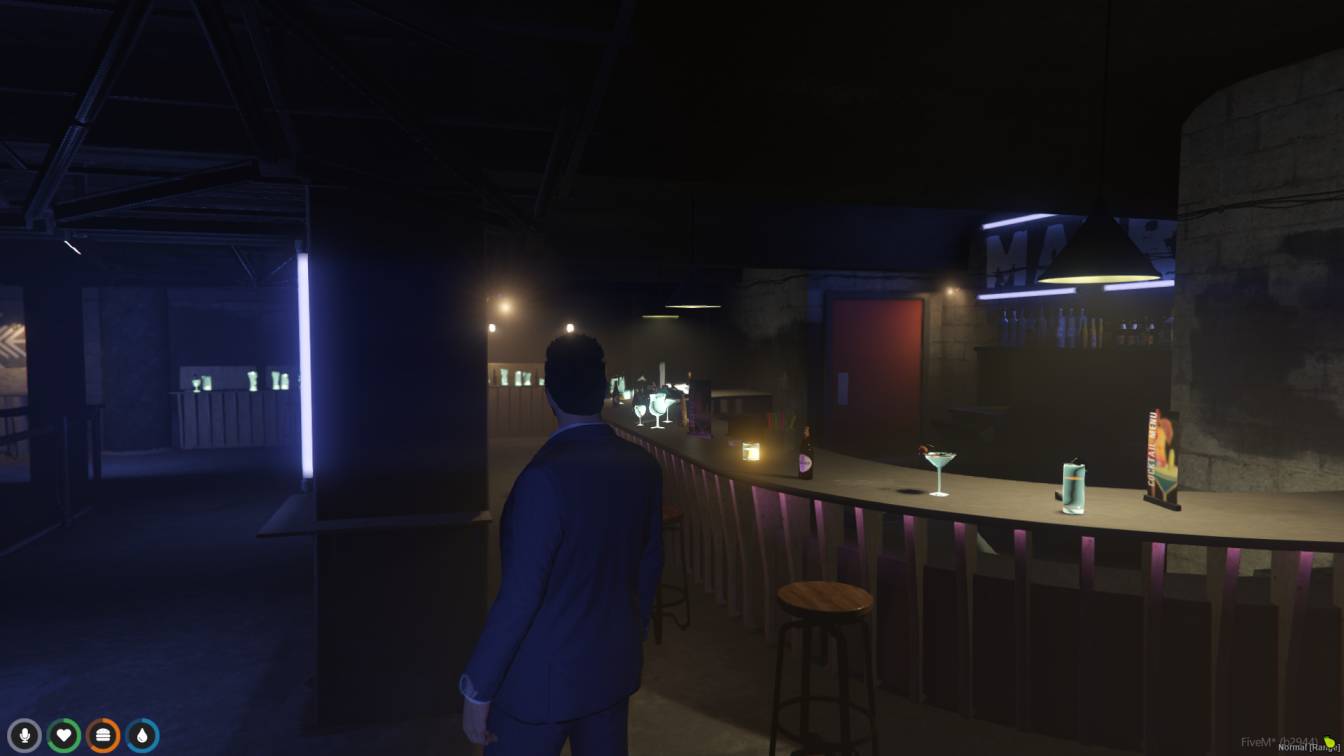
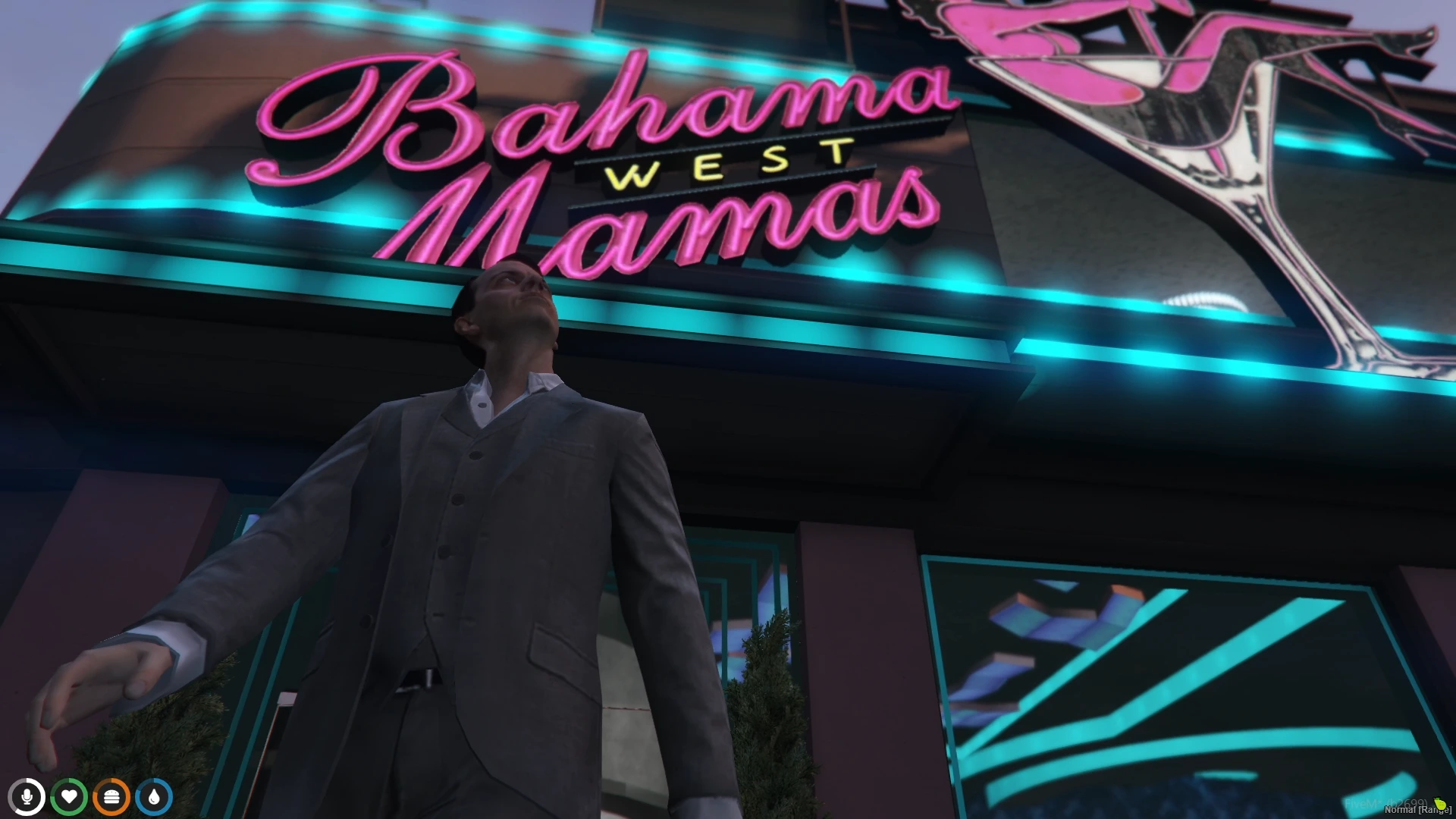
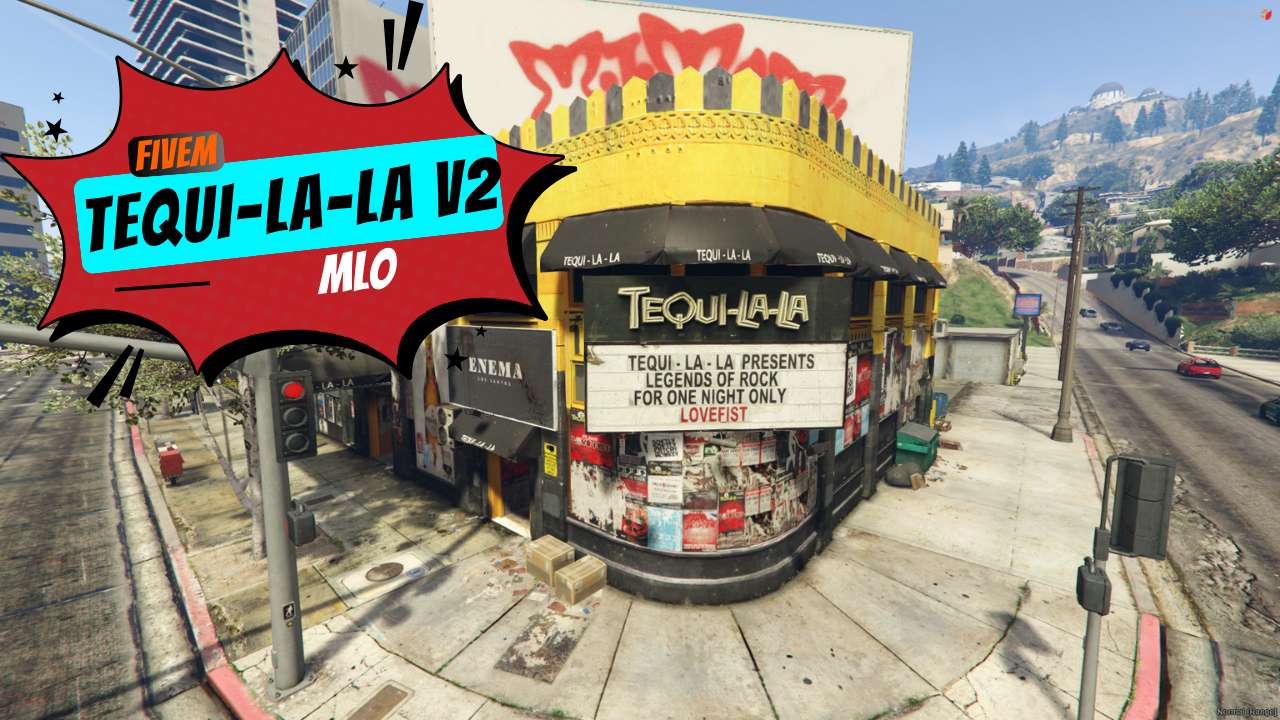
Plan a FiveM nightclub MLO around crowd circulation, bar operations, music controls, VIP access, event staffing, security, and transport.

A nightclub can be a social anchor, an employee-run business, an event venue, or all three. It can also become a noisy room where one bartender menu and a music command do all the work. Good nightclub design connects crowd movement, staffing, stock, entertainment, security, and payment while leaving space for spontaneous scenes. This guide explains how to choose a nightclub or bar MLO and turn it into a manageable roleplay loop.
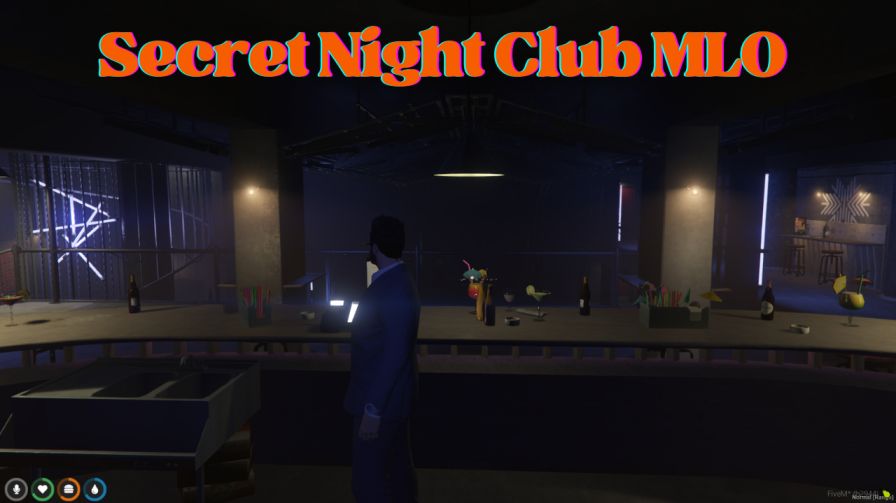
Use the image to think about crowd density and sightlines; verify actual rooms, dependencies, and licensing in the product documentation.
Event nights are easy to imagine, but the ordinary loop determines whether the venue remains useful. Define how a guest enters, finds service, pays, socializes, and leaves. Define how staff clock in, receive stock, serve drinks, manage music, handle incidents, and close the business. If the venue only functions when an administrator manually runs a festival, it is an event set rather than a sustainable business.
Choose a primary identity. A dance club emphasizes floor visibility, DJ control, and rapid bar service. A lounge needs seating clusters and quieter conversation zones. A live venue needs a stage, backstage access, ticketing, and crowd barriers. Trying to support every format in a cramped layout usually weakens all of them.
Browse entertainment and bar locations, then inspect a reference such as the Secret Nightclub MLO. Compare the floor plan with your intended operating model instead of choosing only by lighting style.
Review the MLO during both empty and crowded staging sessions:
Ask whether screens and speakers require extra resources, whether music playback is synchronized and licensed appropriately, and whether doors or elevators need external scripts. Do not assume an advertised “DJ system” integrates with your phone, billing, or job resources.
Install the map on staging and verify doors, exits, collision, and exterior overlap before adding visual or audio extras. Mark maximum intended crowd locations and run a rehearsal with volunteer players. Watch where people naturally stop. Move prompts away from those spaces rather than forcing the crowd around interaction markers.
Implement one service transaction first: staff member on duty, valid stock, menu selection, server-side item removal, customer payment, item delivery, and society deposit. Add tabs, tips, VIP packages, and event tickets only after that transaction is idempotent and restart-safe. The restaurant job guide covers reusable crafting and payment patterns.
Configure music as a controlled capability. Limit who can change source, volume, and zones. Apply safe URL rules supported by your audio resource, retain a stop control, and set an upper volume bound. Document what happens after the DJ disconnects or the audio resource restarts. Avoid letting arbitrary clients broadcast unvalidated sources.
For events, use a run sheet: opening time, staff roles, ticket or guest-list logic, capacity, performer access, security escalation, EMS contact, closing announcement, and vehicle dispersal. An event script can automate pieces, but a clear human procedure prevents tools from fighting one another.
VIP areas can create status-driven scenes, but they should not place essential services behind a payment wall. Decide whether access comes from tickets, job grade, membership metadata, or staff invitation and choose one authoritative source. Temporary access should expire predictably.
Security permissions need layers. Door staff may validate entry and remove disruptive guests; managers handle refunds and bans; server administrators retain technical controls. Do not give every employee broad moderation powers. The ACE permissions guide helps separate server administration from in-character venue authority.
Connect transport early. Provide taxi pickup, legal parking guidance, and an emergency lane. If players leave dozens of vehicles at closing, the venue becomes a city traffic problem. Coordinate storage and impound behavior with the garage and parking guide.
Music is doubled or out of sync. Check for overlapping audio zones, duplicate playback events, and client-local playback. Ensure the server owns the active track state and late joiners receive one current state.
Guests trigger staff interactions through the bar. Client target visibility is not authorization. Validate role, duty, distance, and stock server-side, and tighten zones around the actual work position.
The entrance becomes impassable. Move ticket checks inside a widened foyer or create separate entry and exit paths. Reduce prompt duration and avoid spawning decorative barriers in the pedestrian route.
Society revenue or tips duplicate. Give each order or ticket a unique reference and make retries return the existing outcome. Trace all banking hooks before changing prices.
Lighting looks broken or textures vanish in a crowd. Reproduce with normal clothing packs, vehicles, UI, and neighboring maps active. The combined load matters; follow the MLO streaming diagnosis guide.
The venue cannot recover after restart. Persist only durable state such as memberships or paid tabs. Rebuild temporary state—current song, open target prompts, staff sessions—through an explicit initialization path.
Choose a nightclub that supports movement and conversation before spectacle. A strong business transaction, predictable staff controls, and a rehearsed crowd plan make lighting and music more effective because players can focus on the scene instead of the interface.
Written by
xFiveM Shop Editorial TeamResearch-led FiveM guides with disclosed review and update standards

 FiveM
FiveM