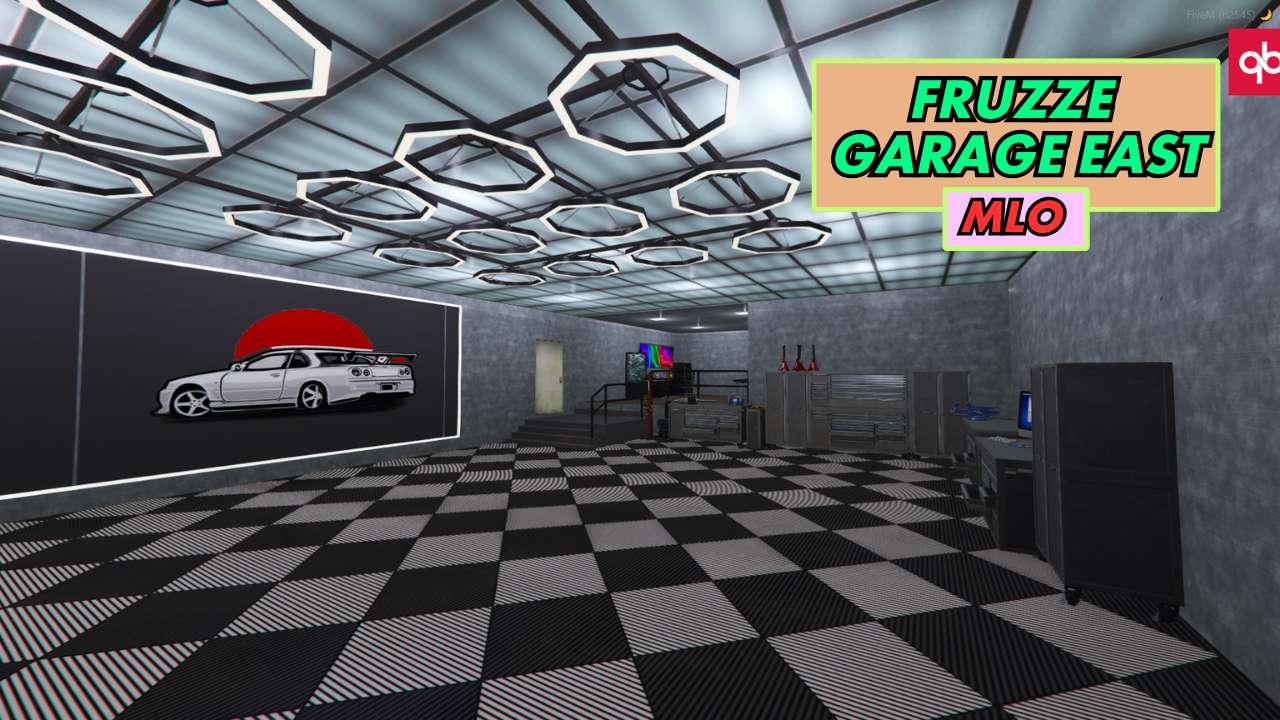
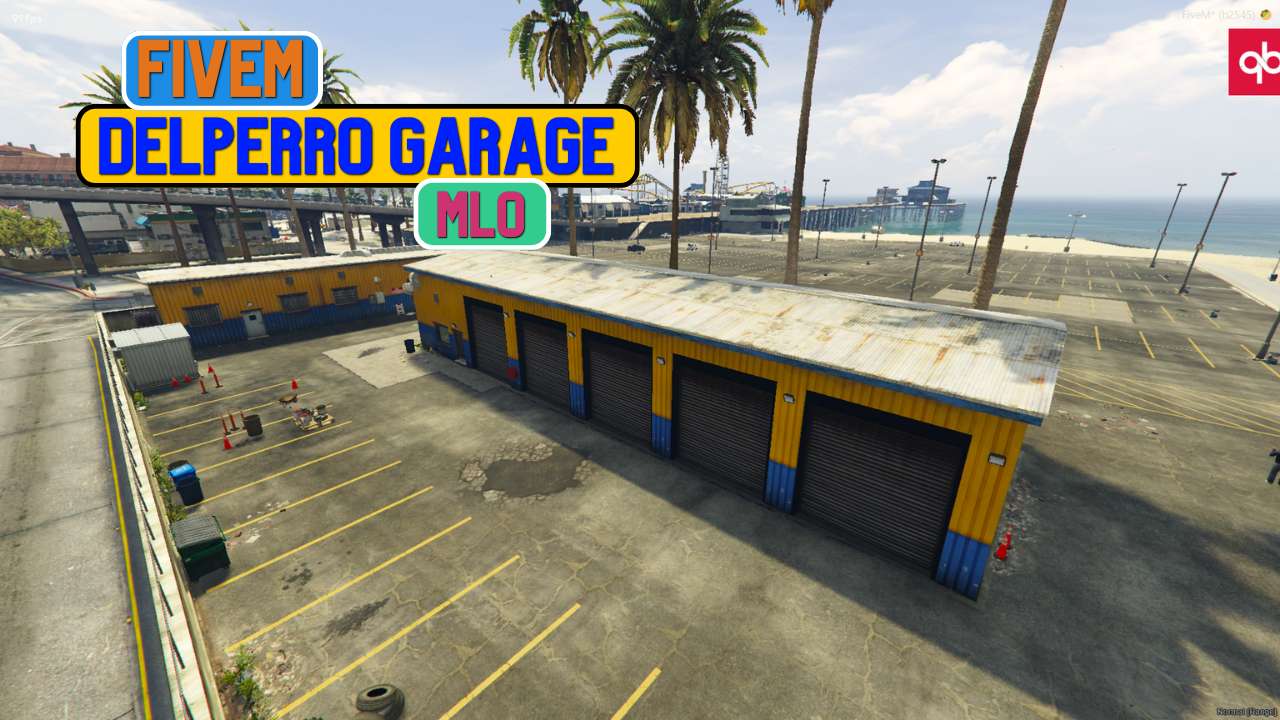
Build a FiveM garage system with explicit vehicle state, safe MLO spawn points, atomic storage and retrieval, impound rules, and adapter troubleshooting.

Garage systems look simple until a vehicle exists in several places at once. The database says it is stored, one client still sees it on the street, an impound script owns another copy, and a player retrieves it from a different garage. Reliable parking begins with a clear vehicle state model, then maps MLO bays and interaction zones onto that model.
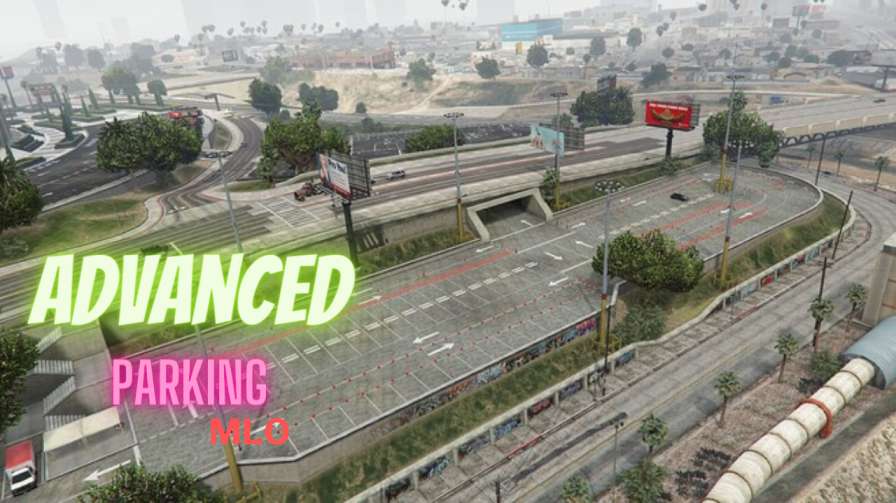
Use the image to assess navigation and bay spacing; confirm actual capacity and resource requirements in the listing.
List the valid states: active, being stored, stored at a location, impounded, seized, destroyed, and being retrieved. Add ownership, garage identifier, last position if used, damage, fuel, modifications, keys, and an update timestamp. Define allowed transitions. A stored vehicle should not jump directly to “active elsewhere” without an atomic retrieval step.
Choose whether garages are global, location-bound, class-bound, or property-bound. Decide transfer rules explicitly. Convenience is not automatically wrong, but a global garage changes towing, travel, and vehicle-business gameplay. Keep temporary parking separate from persistent owned-vehicle storage.
Browse vehicle-system categories and inspect the Advanced Parking MLO for physical planning. The interior must fit the routing model, not dictate it accidentally.
Install the parking map first and drive compact cars, long sedans, trucks, motorcycles, and low vehicles through every route. Record safe spawn transforms with enough clearance. Add an occupancy probe so retrieval refuses or selects another point when a bay is blocked; never spawn two vehicles into the same location.
Implement storage as a server-authorized transition. Verify ownership or permitted access, player proximity, vehicle identity, and current state. Capture normalized plate and network/entity identifiers, persist damage and properties through the authoritative vehicle resource, mark stored, then remove the entity safely. Retrieval should reserve the record, select a clear spawn, create one entity, apply properties, issue keys, and finalize active state. If creation fails, release the reservation.
Use transaction or compare-and-set behavior so two retrieval requests cannot both succeed. Add an operation identifier for retries. Coordinate keys, fuel, and vehicle persistence through adapters rather than letting each resource independently spawn or save.
Impound is a state and reason, not just another garage. Store reason, fee, authority, and release conditions. Police seizure may require different access from a routine tow. Link mechanic towing with the mechanic shop guide, and use the installation help for basic resource loading.
Test the garage with deliberate interruptions at every state transition. Disconnect the driver after reservation but before spawn, stop the garage resource after properties are saved but before deletion, and restart it while a retrieval reservation exists. Each case needs a deterministic result: either one active vehicle exists, or the record returns to a retrievable stored state. A scheduled reconciliation can flag stale reservations, but it should never guess by spawning another copy.
Run concurrency tests with two authorized keyholders requesting the same vehicle, a player pressing retrieve from two menus, and an impound action arriving while storage is in progress. The server should serialize the transition around the immutable vehicle record, not around a plate supplied by a client. Log the operation ID, previous state, requested state, location, actor, and final result so staff can investigate without manually editing ownership first.
Physical recovery matters too. Block the preferred bay with an occupied car, an abandoned entity, and a large truck. Confirm the selector tries validated alternatives and eventually returns a clear failure without charging a fee or changing state. Test ramps after collision reload and at expected vehicle density. When choosing between layouts, prefer enough safe alternatives and tow access over an impressive advertised bay count that cannot be used reliably.
A vehicle duplicates on rapid clicks. Reserve retrieval server-side before spawning and reject concurrent requests. Disabling the client button is not enough.
Upgrades disappear after storage. Confirm which resource serializes vehicle properties and normalize plate strings. Avoid multiple save handlers overwriting newer state.
Vehicles spawn under the floor. Recheck Z coordinate, model dimensions, collision loading, and heading. Delay only with a clear collision-ready condition rather than an arbitrary long timeout.
Keys or fuel reset. Define adapter order after entity creation and verify each resource uses the same plate and network entity.
The database says stored while the vehicle remains outside. Treat deletion and persistence as a coordinated operation with failure recovery. Log incomplete transitions for staff review.
Impounded cars can be retrieved normally. Enforce state on the server query, not only by hiding them from one menu.
A garage is trustworthy when players stop thinking about its database. Build around explicit state, reserve before spawning, and make every failure return the vehicle to a known condition.
Written by
xFiveM Shop Editorial TeamResearch-led FiveM guides with disclosed review and update standards

 FiveM
FiveM