Set up a FiveM phone by defining identity, banking, jobs, voice, dispatch, media, and NUI boundaries, then testing each integration independently.

A phone touches more systems than almost any other player interface: identity, contacts, banking, jobs, messages, dispatch, vehicles, housing, social apps, and notifications. That reach makes compatibility more important than the number of included apps. A controlled setup defines each integration boundary, proves core calls and messages first, and adds economy features only after event ownership is clear.
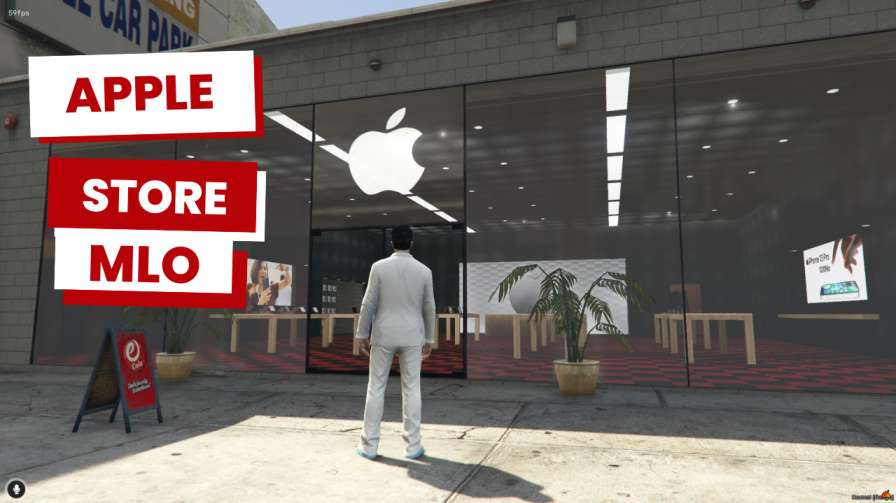
The scene provides device and retail context; verify the phone products' actual interfaces, dependencies, and supported framework versions.
List the authoritative source for character ID, phone number, bank account, job, vehicle plate, property ID, and notification preferences. The phone should consume those values through documented adapters rather than maintain competing copies. Decide whether phone numbers belong to an account, character, or physical SIM and what happens during character deletion or number change.
Map outbound integrations too. A taxi app may create a job request; a banking app may initiate a transfer; an emergency app may create a dispatch call. Each needs a stable request ID and server-side validation. A UI event is a request, not proof that money moved or a job exists.
Browse phone and script categories and coordinate layout with the HUD design guide.
Back up configuration and database, then install dependencies in staging. Apply reviewed vendor migrations through your normal process; do not rerun unknown SQL blindly. Configure framework identity first. Prove character load, number assignment, contact creation, a direct message, and a voice call. Test two characters on one account to catch accidental account-level data sharing.
Add one integration at a time in dependency order: notifications, voice, banking, jobs, dispatch, garage, housing, and media. For each, test success, denied action, insufficient funds or permissions, disconnect, and resource restart. The dispatch and MDT guide explains incident IDs; the garage guide explains vehicle state.
Bank transfers require an idempotency key, normalized amount, recipient validation, and one server transaction. Never trust a client-submitted sender, balance, fee, or success state. Job requests should expire and prevent two workers from accepting the same request.
Establish NUI rules: one focus owner, predictable close behavior, notification rate limits, and cleanup on death, character switch, and resource stop. Test overlap with inventory, MDT, pause menu, and text input.
Build a two-device scenario matrix rather than testing only one happy-path handset. Place and reject calls in both directions, let each party hang up first, move one caller into a routing bucket, disconnect during ringing, and restart the voice resource during an active call. The phone should clean channel membership, call state, notifications, and focus for both participants. Late callbacks must be rejected against the finished call identifier.
For messaging, test offline delivery, blocked contacts, number changes, deleted characters, attachments that fail to upload, and a recipient reconnecting while a send retry is pending. Define whether deletion anonymizes, retains, or removes historical messages according to the server policy. Conversation queries should be bounded and paginated so years of history do not make initial phone open progressively slower.
Stage financial and job apps with deliberate denial paths. Attempt a transfer to an invalid recipient, repeat the same request after a timeout, lose connection after the ledger commits, and submit an amount at configured boundaries. For service apps, have two workers accept simultaneously, let the winner disconnect, and verify expiry returns the request to a known state without double rewards.
Before enabling another app, require evidence that its owner, stable identifiers, permission checks, retry behavior, data retention, notification route, and restart cleanup are documented. Keep a rollback switch for optional apps. This gate prevents a convenient integration from silently becoming a second bank ledger, garage owner, or dispatch source.
Contacts or messages leak between characters. Inspect schema keys and framework adapter IDs; do not use account license where a character identifier is required.
Transfers duplicate after a slow response. Make the server operation idempotent and return the original result for repeated request IDs.
Calls connect but audio fails. Verify voice resource version, channel lifecycle, routing bucket support, and cleanup after hang-up or disconnect.
The cursor remains after closing. Centralize focus release and register cleanup for every exceptional path.
Photos grow storage without limit. Enforce MIME, size, ownership, rate, and retention policies server-side; avoid public write access.
Notifications appear several times. Find duplicate bridges or event handlers registered after restart. Pick one notification path per source event.
Choose a phone for maintainable adapters and reliable character state. A smaller app set with clear ownership will serve players better than a crowded interface built on duplicate events.
Written by
xFiveM Shop Editorial TeamResearch-led FiveM guides with disclosed review and update standards

 FiveM
FiveM
