Evaluate FiveM Asset Escrow purchases by editable files, integrations, dependencies, entitlement ownership, support, updates, and staging workflow.

Cfx.re Asset Escrow can protect selected resource files while still allowing configuration and integration through files the creator leaves open. For a buyer, the key question is not whether escrow is good or bad; it is whether the exposed configuration, documented APIs, dependencies, entitlement process, and support policy are sufficient for the server's needs.
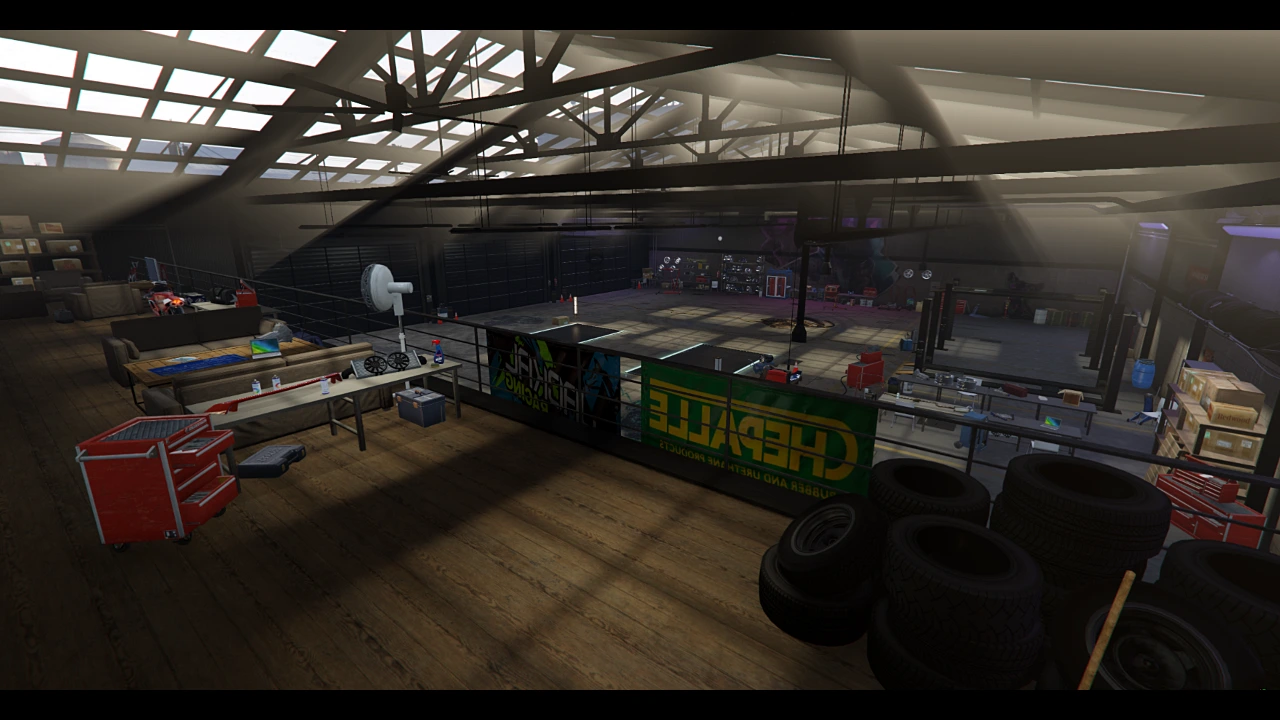
Use package imagery only to understand scope; confirm escrow status, editable files, dependencies, and support terms on the current listing.
Escrow does not automatically mean the entire resource is unreadable. Creators can exclude configuration, locale, bridge, or other files. Buyers should ask which files remain editable and which integration points are supported. If your server needs a custom inventory, framework fork, or deep mechanic change, an export or event may be enough—or protected implementation may make the change impossible.
Entitlements are tied to the purchasing Cfx.re account and server setup. Plan who owns the purchase, how the team deploys it, and what happens when maintainers change. Do not buy through a personal account with no organizational handover plan.
Browse FiveM product categories for scope, then use the script compatibility checklist before purchase.
Treat “optimized,” “plug and play,” and “works with all frameworks” as prompts for details, not technical specifications. Ask for resource-monitor context only as diagnostic information; results from another server are not a guarantee for yours.
Record the listing version, stated dependencies, support terms, and required adaptations. Confirm the purchasing account and server entitlement process. After purchase, preserve the original archive and documentation. Review manifests, configs, SQL, and dependency names before starting anything.
Install in staging using the documented folder name and start order. Add one dependency at a time and keep debug output. Test the default configuration before customizing exposed files. Then implement integrations through supported bridges, exports, or events. Do not edit protected files through bypasses or attempt to remove escrow controls.
Create an update procedure: back up config and database, read release notes, compare editable files, test on staging, and document rollback. If an update includes SQL, review it rather than applying it automatically. The installation help provides general deployment steps.
Build a purchase scorecard around the modifications the server expects during the next year. List required branding, locale, item definitions, prices, job grades, UI behavior, framework adapters, exports, and database ownership. Mark each as directly configurable, supported through a bridge, vendor-assisted, or impossible under the protected boundary. An attractive feature should not outweigh a blocked requirement that defines the server workflow.
Ask support a small set of reproducible questions before buying: whether a named dependency version is supported, whether a specific event or export exists, how entitlement moves between approved server keys, and what happens to custom bridge files during updates. Evaluate the precision and timeliness of answers, but retain copies of current listing claims and documentation because support availability can change.
After purchase, run acceptance tests against the documented default before customization. Include fresh installation, missing dependency, denied job grade, insufficient funds, disconnect during a mutation, resource restart, and a clean update rehearsal. Confirm protected errors are diagnosable through safe logs. If the only recovery for routine failures is editing inaccessible internals, the operational fit is poor even when the happy path works.
Define an exit plan. Preserve exported configuration, schema notes, integration contracts, and data ownership so the resource can be replaced without losing player state. Know whether records use generic identifiers or package-specific encodings. The decision to adopt should include migration cost, vendor dependency, and fallback behavior—not just purchase price. Proceed when essential requirements are exposed through supported surfaces and the team can update, recover, and eventually replace the package without bypassing escrow.
The server reports no entitlement. Verify the server is linked to the purchasing account as required, the resource is unmodified, and current platform guidance is followed. Avoid repeatedly downloading random copies.
A dependency export is missing. Confirm exact resource name, version, and start order. An alternative fork may not expose the same API.
Configuration changes have no effect. Ensure you edited the active copy, preserved syntax, restarted the correct resource, and did not place duplicate folders in the resource path.
A needed integration is protected. Use documented bridges or contact support with a precise requirement. If no supported hook exists, reassess fit instead of forcing an unsupported patch.
An update breaks custom config. Restore the staged backup, compare new defaults and release notes, then migrate settings deliberately.
Support cannot reproduce the issue. Provide version, framework, dependencies, relevant config, steps, and sanitized logs; do not send secrets.
Buy for documented fit, not the promise that any package can be customized later. Escrow-compatible planning means knowing exactly where supported configuration ends before the resource becomes part of a live stack.
Written by
xFiveM Shop Editorial TeamResearch-led FiveM guides with disclosed review and update standards

 FiveM
FiveM